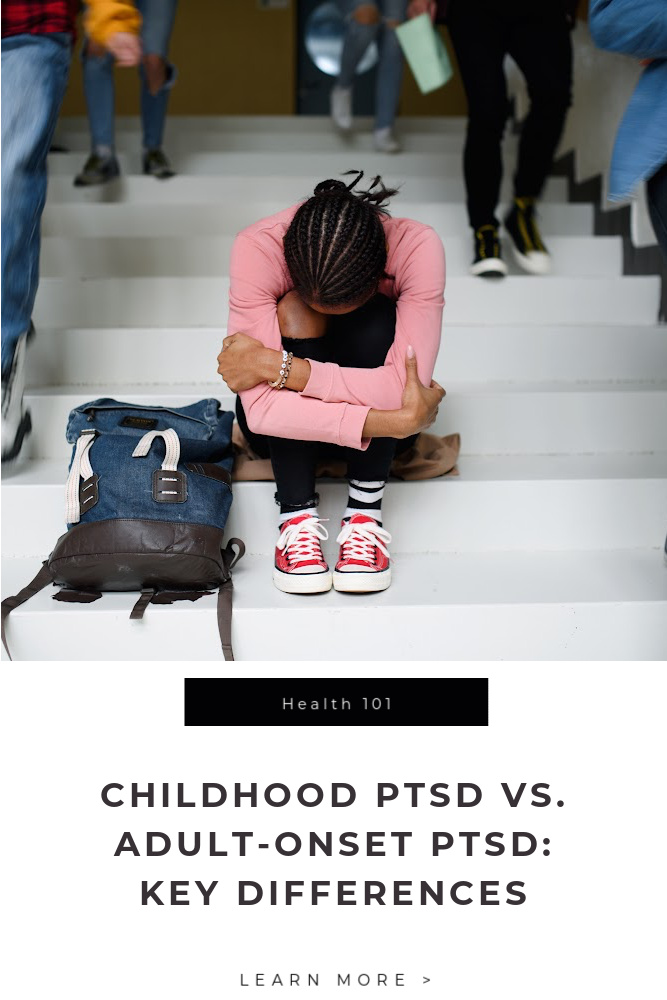
Post-Traumatic Stress Disorder (PTSD) can happen to anyone—regardless of age. But trauma experienced in childhood can affect the brain, body, and emotions differently than trauma first experienced in adulthood.
Both forms of PTSD are serious and valid, yet the way they show up and impact a person’s life can vary. Understanding the differences between childhood PTSD and adult-onset PTSD can help individuals, families, and mental health professionals support healing more effectively.
What Is PTSD?
PTSD is a mental health condition that can develop after someone experiences or witnesses a terrifying or life-threatening event. This might include:
– Abuse (physical, emotional, or sexual)
– Accidents or natural disasters
– Combat or violence
– Neglect or abandonment
– Sudden loss or witnessing harm to others
Common PTSD symptoms include:
– Flashbacks and nightmares
– Avoidance of triggers
– Hypervigilance or being constantly “on edge”
– Emotional numbness or detachment
– Difficulty sleeping or concentrating
📊 According to the National Center for PTSD, around 6% of the U.S. population will have PTSD at some point in their lives, and about 15–43% of girls and 14–43% of boys experience at least one traumatic event during childhood [1].
How Childhood PTSD Differs from Adult-Onset PTSD
While the core symptoms may be similar, there are important differences in how PTSD shows up in children and adults. Let’s explore them below:
1. Impact on Brain Development
In children, trauma occurs during a time when the brain is still forming critical connections. Exposure to stress at this stage can disrupt healthy development, especially in areas related to:
– Emotional regulation
– Memory
– Learning and attention
– Social bonding
📊 Research from Harvard’s Center on the Developing Child shows that chronic stress in childhood can alter brain architecture, making kids more vulnerable to anxiety, depression, and behavioral issues later in life [2].
In contrast, adults already have fully developed brains. While trauma can still have a major impact, it doesn’t interrupt the formative stages of brain development like it does in children.
2. Emotional Expression and Behavior
Children may not have the words to express what they’ve experienced. Instead, trauma often shows up in their behavior:
– Tantrums or aggressive outbursts
– Withdrawal or clinginess
– Trouble focusing at school
– Regression (e.g., bedwetting or baby talk)
– Risky behavior in teens
Adults, however, are more likely to experience:
– Intrusive thoughts or nightmares
– Relationship difficulties
– Depression or substance use
– Avoidance of responsibilities or social situations
Understanding these differences is key to providing the right kind of care and support.
3. Sense of Identity
One of the most significant effects of childhood trauma is how it influences a child’s sense of self.
Kids internalize trauma in ways that shape how they see the world—and themselves. This may lead to:
– Low self-esteem
– Chronic guilt or shame
– Trust issues and fear of abandonment
Adult-onset trauma may shake a person’s identity, but it typically builds on an already established foundation. Adults may feel broken or lost, but they often remember who they were before the trauma.
Children don’t have that before-and-after reference point. For them, trauma can become part of their core identity if left untreated.
4. Relational Patterns
Children who grow up in abusive or neglectful homes often learn unhealthy relational patterns. They may:
– Struggle to form secure attachments
– Fear closeness or intimacy
– Crave love but push it away out of fear
These patterns can follow them into adulthood, affecting romantic relationships, friendships, and even work dynamics.
Adults who develop PTSD later in life may still experience relationship challenges, but they are usually less deeply ingrained than those rooted in early childhood trauma.
5. Recovery and Treatment Differences
Both children and adults can recover from PTSD, but the approach may differ.
For Children:
– Play therapy and art therapy help them express emotions safely
– Trauma-focused Cognitive Behavioral Therapy (TF-CBT) is widely used
– Involving caregivers is essential to create a stable, safe environment
For Adults:
– CBT, EMDR, and mindfulness-based therapies are common
– Support groups and peer communities can aid healing
– Medication may help manage symptoms like anxiety and depression
📊 A 2021 study published in Frontiers in Psychology found that early trauma-focused intervention in children significantly reduced long-term PTSD symptoms and improved emotional resilience [3].
Why This Distinction Matters
Understanding the difference between childhood and adult-onset PTSD isn’t about comparing which is “worse.” Both are valid. But acknowledging the unique challenges helps ensure that each person gets the care they need.
Children with untreated trauma are more likely to develop complex PTSD, depression, addiction, or chronic illness as adults. That’s why early intervention matters so much.
Adults with PTSD may need help reconnecting with a sense of safety and rediscovering purpose—especially if trauma happened suddenly, like in an accident or violent incident.
Final Thoughts
Trauma may affect us at different stages in life, but recovery is always possible—with the right support, patience, and understanding.
Whether you or someone you care about experienced trauma in childhood or adulthood, healing isn’t about forgetting the past—it’s about finding safety, reclaiming your story, and moving forward with hope.
There is no one-size-fits-all path to healing. But every path is worth walking.
References
[1] U.S. Department of Veterans Affairs. PTSD: National Center for PTSD. https://www.ptsd.va.gov
[2] Center on the Developing Child, Harvard University. “Toxic Stress.” https://developingchild.harvard.edu/science/key-concepts/toxic-stress
[3] Pfefferbaum, B., et al. (2021). “Evidence-Based Interventions for Children Exposed to Trauma.” Frontiers in Psychology, 12, 627935. https://doi.org/10.3389/fpsyg.2021.627935