A significant amount of what you perceive, about 80 percent, is experienced through a person’s sense of sight. This makes your eyesight one of the most important senses and should be protected to reduce the odds of blindness and loss of vision. Protecting your eyesight also keeps you on top of any developing eye diseases such as cataracts and glaucoma.
A research study conducted by the CDC (Center for Disease Control and Prevention) indicated that approximately 12 million adults that are 40 years and above have a visual impairment in the United States.
The report also details that 4.2 million visual impairment cases are uncorrectable. The good news is that early detection and timely treatment of conditions such as diabetic retinopathy can effectively correct visual impairment. Here are some of the things you do that may damage your eyes without knowing.
1. Overusing Contact Lenses
Overusing your contact lenses can lead to serious eye complications. Protein deposits, microorganisms, and allergens build up on your contact lenses over time, increasing the risk of infection to the corneal causing corneal ulcer.
While contact lenses can offer you several benefits, like improving your vision without the hassle of glasses, they come with their challenges. Even with the best hygienic practices in place, overuse of contact lenses can cause blurred vision, eye irritation, redness, light sensitivity, and a burning sensation when you insert the contact lenses.
Contact lenses will be the best idea if you tend to avoid wearing glasses. However, this does not mean that they are hassle-free. A lot goes into wearing contact lenses daily. From disposing of them as recommended, securing replacements, and cleaning them in a solution, you need to make sure that you are using them correctly, lest you put your eye health and vision at risk.
2. Wearing Contact Lenses in Water
Contact lenses and water are a bad combination. Whether you have them on when showering, using a hot tub, or swimming, water can make it hard to enjoy the benefits of contact lenses. Most water is not germ-free. Wearing contact lenses in water exposes your eyes to bacteria. The bacteria that live in water can cause severe eye infections.
Water can also cause the soft contact lenses to change shape, swell, or even stick to the eye. It becomes uncomfortable and could scratch the cornea and let in germs that can cause a severe type of infection called Acanthamoeba keratitis.
3. Gardening Without Proper Eye Protection
It is necessary to protect your eyes when operating equipment while working in the garden. While gardening can be exciting and fulfilling, not following basic safety guidelines can end in tragedy.
Ensure that you are wearing proper eye protection next time you go outside to move a branch out of your driveway or mow the lawn. Something can damage your eye if you work without eye protection and lead to severe injuries that could permanently impair your vision. Wearing safety glasses is a preventative measure that can make a big difference in the longevity of your eyesight.
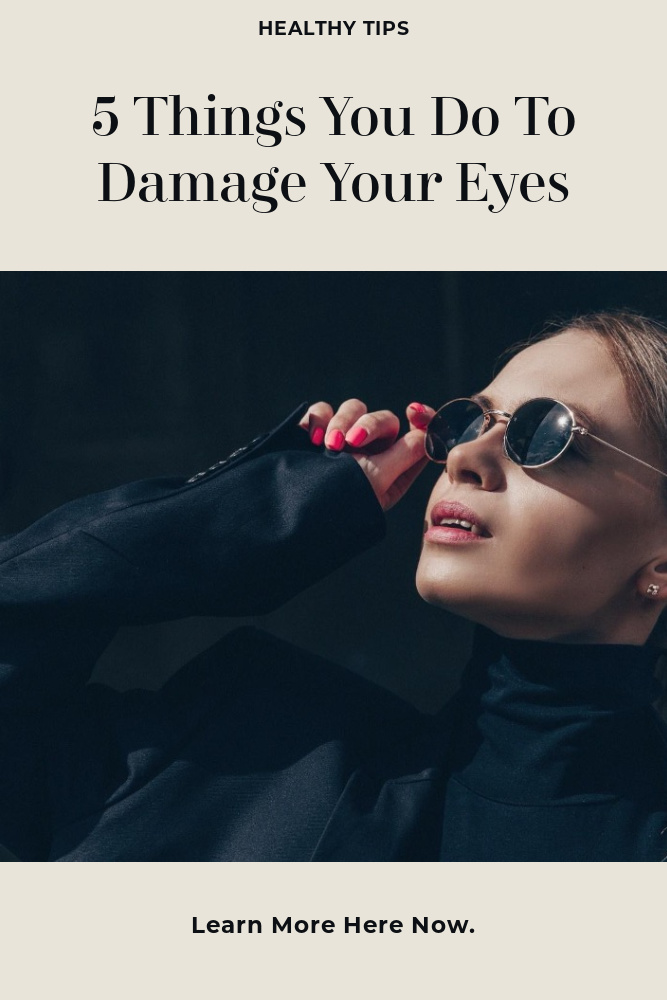
4. Not Wearing Sunglasses
Sunglasses are not just a fashion statement; they help block out harmful UV rays causing damage to your eyes and skin. Not wearing sunglasses puts you at risk of problems in the long term. Wearing cheap glasses might not provide the ultimate protection for your eyes.
Prescription sports sunglasses allow you to see clearly while adequately protecting your eyes from injury. If you wear eyeglasses, make sure that they have UV-protective contact lenses to ensure that all eyes and skin are well protected from the sun.
5. Eating Unbalanced Diet
Lack of certain nutrients and a poor diet can lead to vision problems. Consuming processed food with little or no nutritional value might not provide enough nutrients to support optimum eye and good vision health.
According to research, a high-fat diet can increase the risk of developing age-related macular degeneration (AMD). If you plan to make any diet changes, ensure that you talk to an optometrist to help you improve your eyesight.
Sunglasses are More Than Good Fashion Sense
It’s easy to notice skin damage by the sun’s UV rays once you notice sunburn. However, it can be hard to notice eye damage before too late. Not wearing shades on a sunny day increases the risk of developing eye problems like cataracts.
On the other hand, wearing sunglasses minimizes the risk of experiencing such problems if they are capable of sufficiently protecting you against UV radiation. Make sure that you look for sunglasses that block 99 to 100 percent of UV rays, wraparound sunglasses with UV filters are ideal, but a wide-brimmed hat can also offer protection from the sun’s rays.